Products – Technical Textiles Tailored to Your Application
Technical textiles are multi functional products that can be precisely adapted to a wide range of technical and industrial requirements depending on yarn type, manufacturing process, and finishing techniques. We offer a broad product portfolio that enables fully customizable solutions for specific functional and technical applications – engineered to match your exact use case.
Manufacturing
Benefit from our extensive experience in producing technical textiles using a variety of manufacturing methods – from woven fabrics to cords.
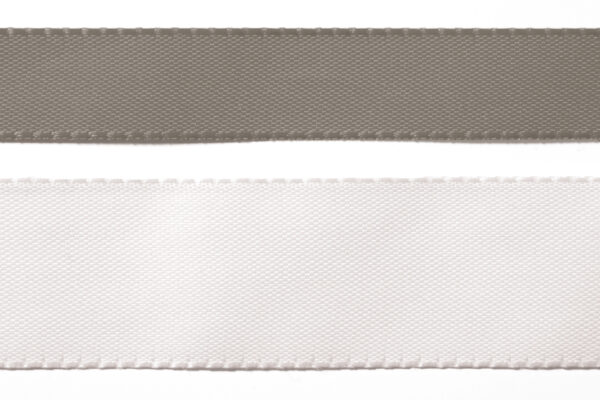
Woven
Woven technical textiles are produced by interlacing warp and weft yarns at right angles. This creates highly stable, dimensionally accurate structures with defined strength and excellent shape retention.
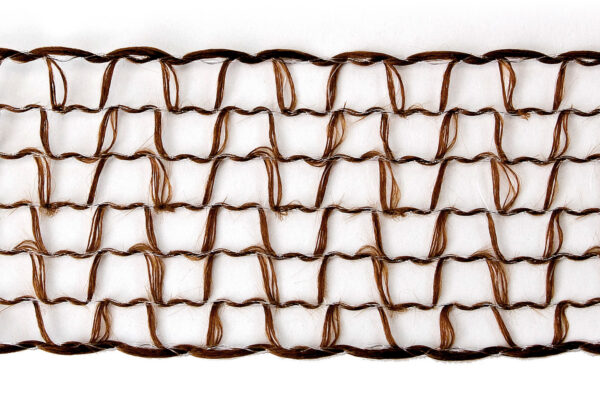
Warp-knitted (Raschel)
Warp-knitted textiles produced on Raschel machines feature flexible, open structures. They offer high adaptability and excellent air permeability while maintaining structural stability.
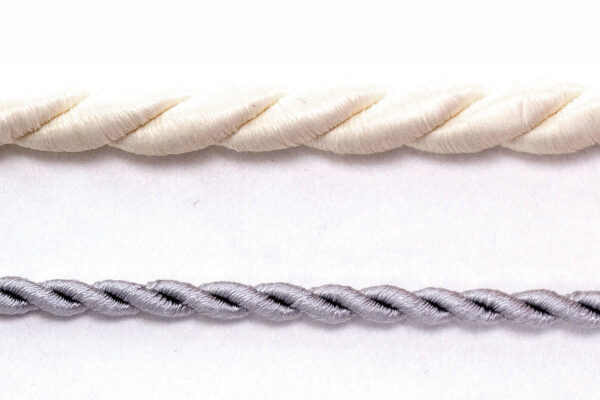
Twisted
Twisted textiles are created by twisting yarns together, resulting in compact, highly resilient structures. This process provides high tensile strength and uniform material distribution.
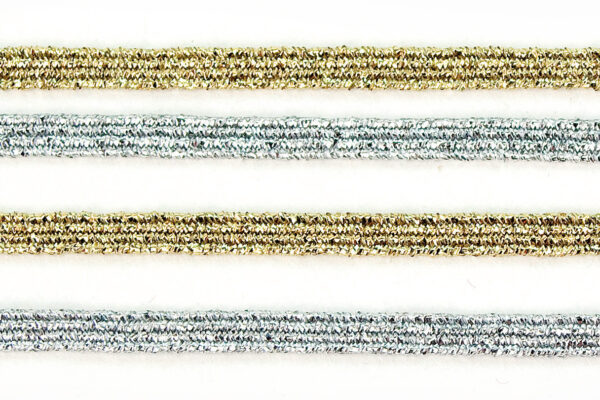
Braided
Braided textiles are manufactured by interlacing multiple yarn systems in a diagonal structure. They offer high flexibility, excellent abrasion resistance, and even force distribution in all directions.
Finishing & Functional Properties
In addition to selecting the appropriate base materials, we offer a wide range of finishing and customization options. These processes allow existing properties to be enhanced or entirely new functional characteristics to be added. The result: technical textiles precisely engineered to your requirements – with maximum flexibility in design and performance.
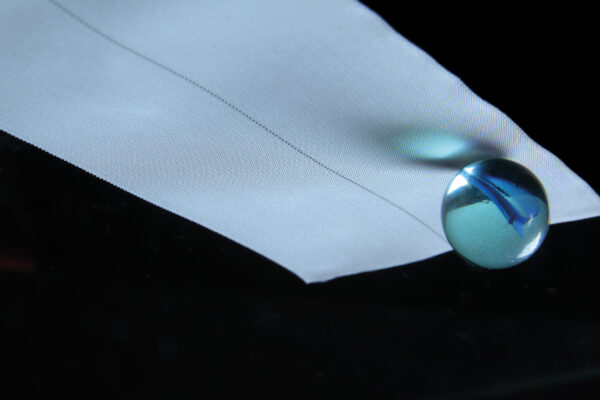
Adhesion-enhanced
Special surface treatments improve adhesion of coatings, adhesives, or composite materials, ensuring long-term bonding stability even under mechanical and thermal stress.
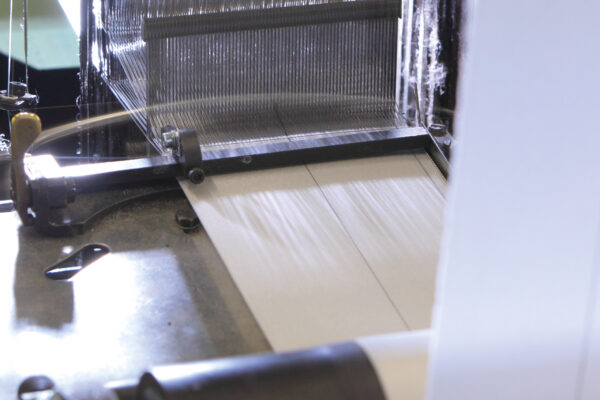
Chemical resistant
Targeted finishing increases resistance to acids, alkalis, and solvents, enabling reliable use in aggressive chemical environments.
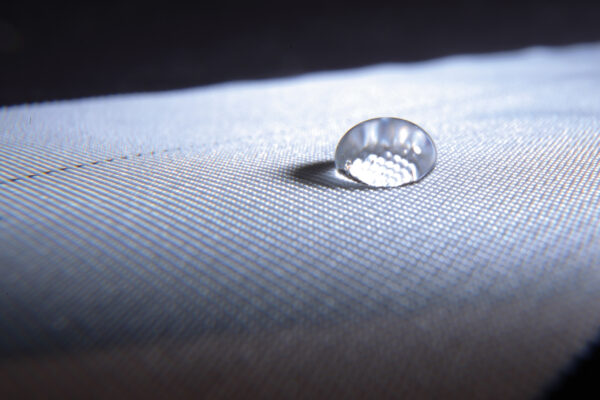
Water & dirt repellent
Hydrophobic finishes significantly reduce water and dirt absorption, improving functionality, cleanliness, and service life in demanding applications.
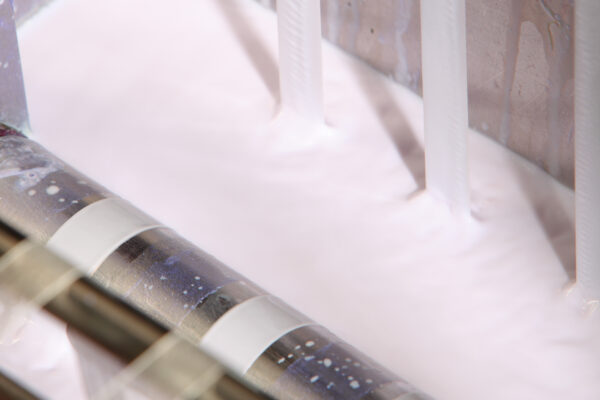
Anti-adhesive
Anti-stick finishes prevent the adhesion of particles, media, or coatings, ensuring clean and efficient use in sensitive or process-critical environments.
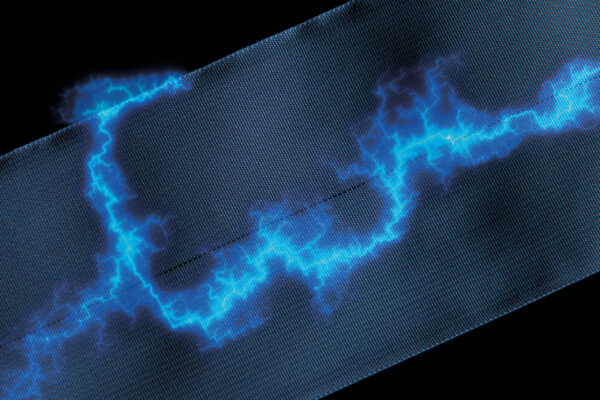
Conductive
Integrated conductive fibers or coatings provide electrical conductivity, ideal for sensor applications, ESD protection, and smart textile systems.
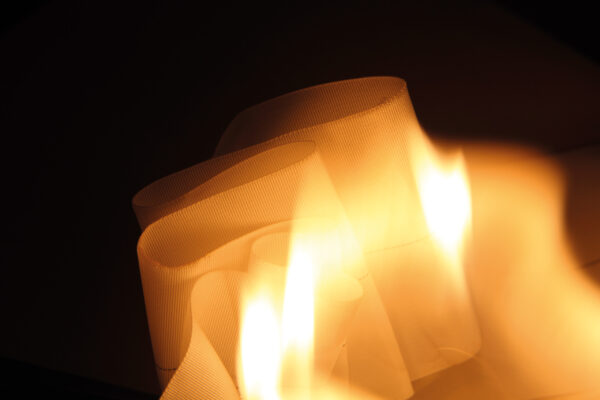
Heat resistant
Special treatments increase thermal stability, ensuring technical textiles remain functional and dimensionally stable under high temperatures.
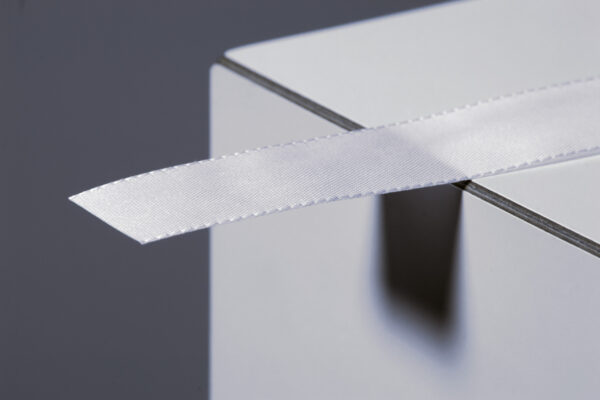
Grip-enhancing
Surface modifications adjust haptics and texture, improving handling, grip, and processing performance.
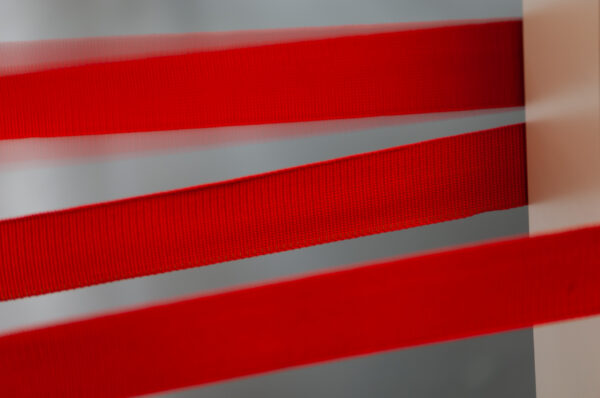
Stretchable / Elastic
Elastic materials enhance stretch and recovery properties, enabling flexible, durable, and dimensionally stable performance in dynamic applications.
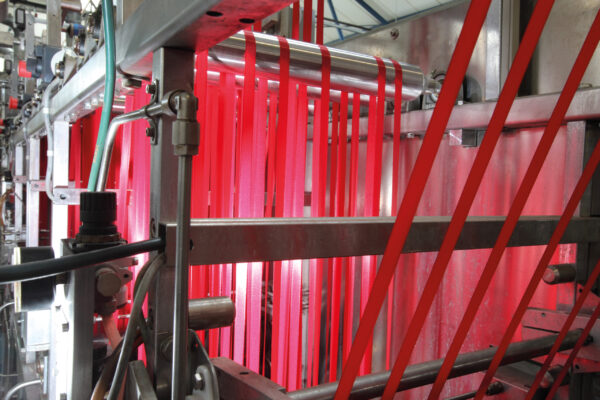
Dyed
Customized dyeing processes deliver consistent, durable coloration for functional or visual identification requirements.
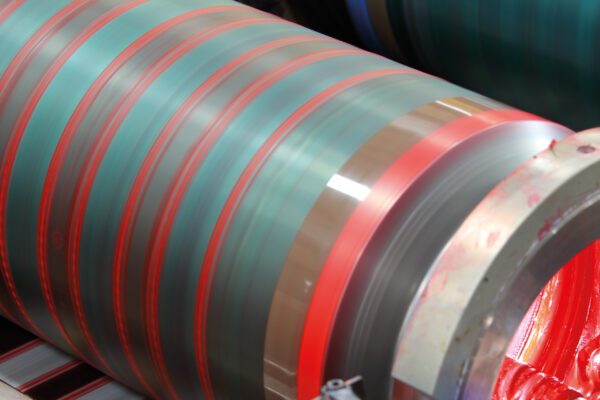
Printed (screen / digital printing)
High-quality printing technologies enable precise, long-lasting markings, designs, or functional labels with strong resistance to abrasion and environmental impact.
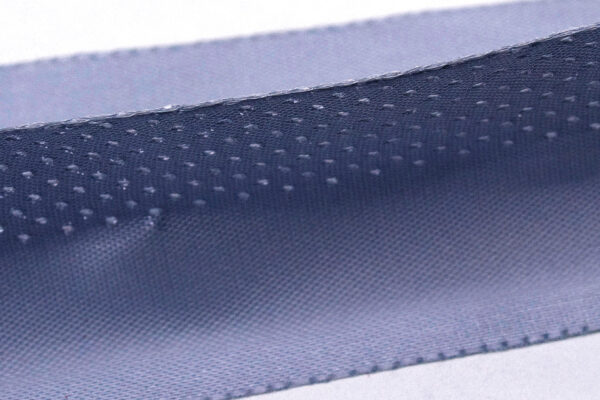
Ultrasonically welded
Ultrasonic bonding enables precise, material-free joining of textile structures, creating strong, clean, and highly durable connections.
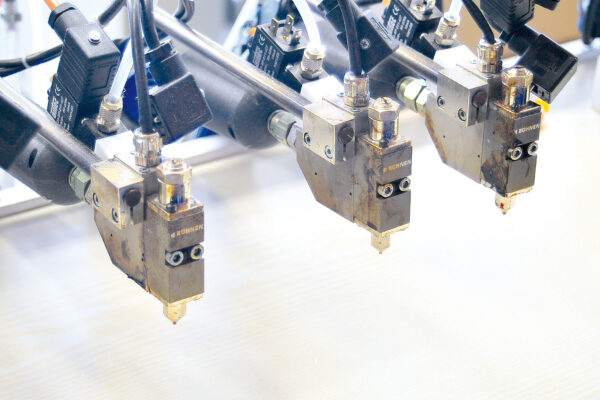
Bonded
Special adhesive technologies provide durable, flexible material bonding – ideal for multilayer technical textile constructions and functional assemblies.
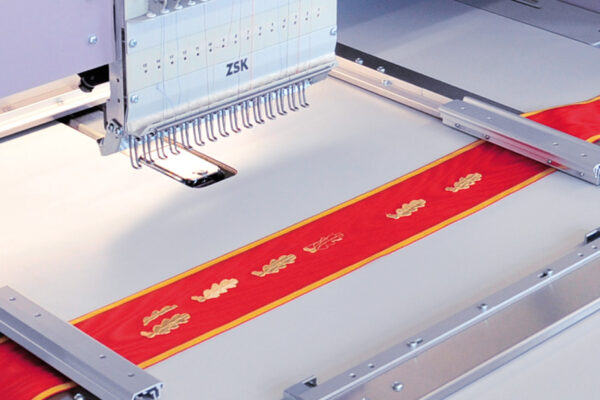
Embroidered
Embroidery techniques offer durable markings or functional reinforcements directly within the textile, combining longevity with customization possibilities.
Fibers and Yarns
We process both synthetic yarns and natural fibers into high-performance technical textiles. Depending on requirements, special yarns or wires can be integrated to achieve specific functional properties. The most commonly used base materials include:
High-tenacity PA (Polyamide)
Elastic, high-strength yarn for dynamic technical textiles such as webbings and straps. Ideal for applications with high mechanical stress.
★★★ Very high tensile and tear strength
★★★ Excellent abrasion resistance
★★★ Good dyeability
PES (Polyester)
Dimensionally stable and durable yarn for technical textiles with consistent performance under varying environmental conditions.
★★★ Wide range of applications
★★★ Excellent UV and aging resistance
★★★ Excellent printability & disperse dyeing
CO (Cotton)
Natural fiber with high absorbency and excellent processing characteristics for technical applications and blended systems.
★★★ High moisture absorption
★★★ Low static charge
★★★ Good printability & reactive dyeing